MCD Schools
Building strong foundations for young learners and creating joyful, inclusive and technology-enabled learning environments.
Program sponsored by Integreon Managed Solutions (India) Private Limited
About the Project
The Municipal Corporation of Delhi (MCD) runs 1,534 primary schools across Delhi, serving more than 700,000 students. With their close connection to local communities, municipal schools have the potential to provide responsive and accessible education to children from diverse backgrounds.
In November 2024, Children’s Hope initiated this project by appointing qualified teachers for pre-primary classes, enabling regular classroom learning for young children.
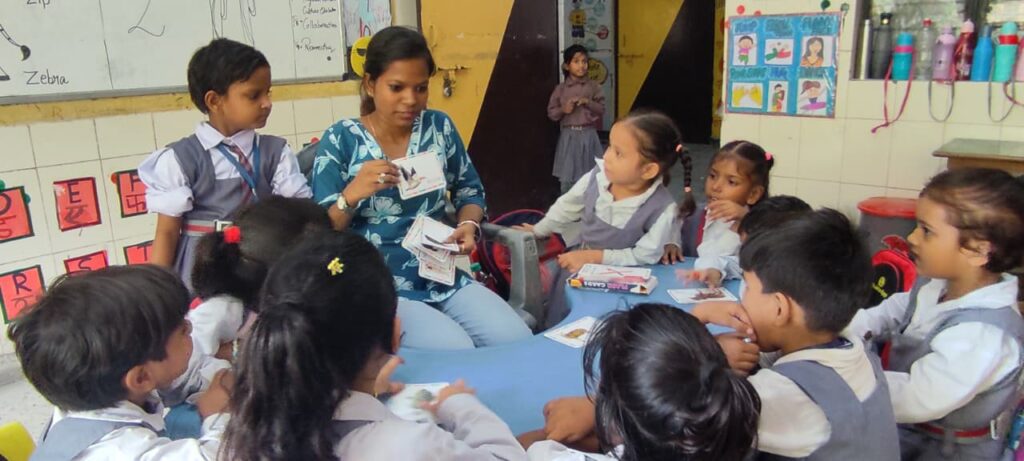
The project focuses on strengthening the foundational learning experiences of children aged 4–6 years through a developmentally appropriate, play-based Early Childhood Education (ECE) program, while also introducing children to computers and digital learning.
Our Schools
The program is currently being implemented at:
- MCD Primary School, Vinod Nagar
- MCD Primary School, Mandawali
- MCD Primary School, Malviya Nagar
Highlights
- Play-based curriculum designed for children aged 4–6 years
- Teaching aids and age-appropriate educational materials
- Dedicated teachers for each class
- Continuous teacher training and mentoring
- Regular classes of 4 hours a day, 6 days a week
- No Bag Day activities on Saturdays to encourage joyful and experiential learning
- Parent engagement through worksheets and home-based activities
- Opportunities for children to develop language, numeracy, social-emotional and environmental awareness skills
A typical day at school
Each school day combines structured learning with opportunities for movement, interaction and exploration.
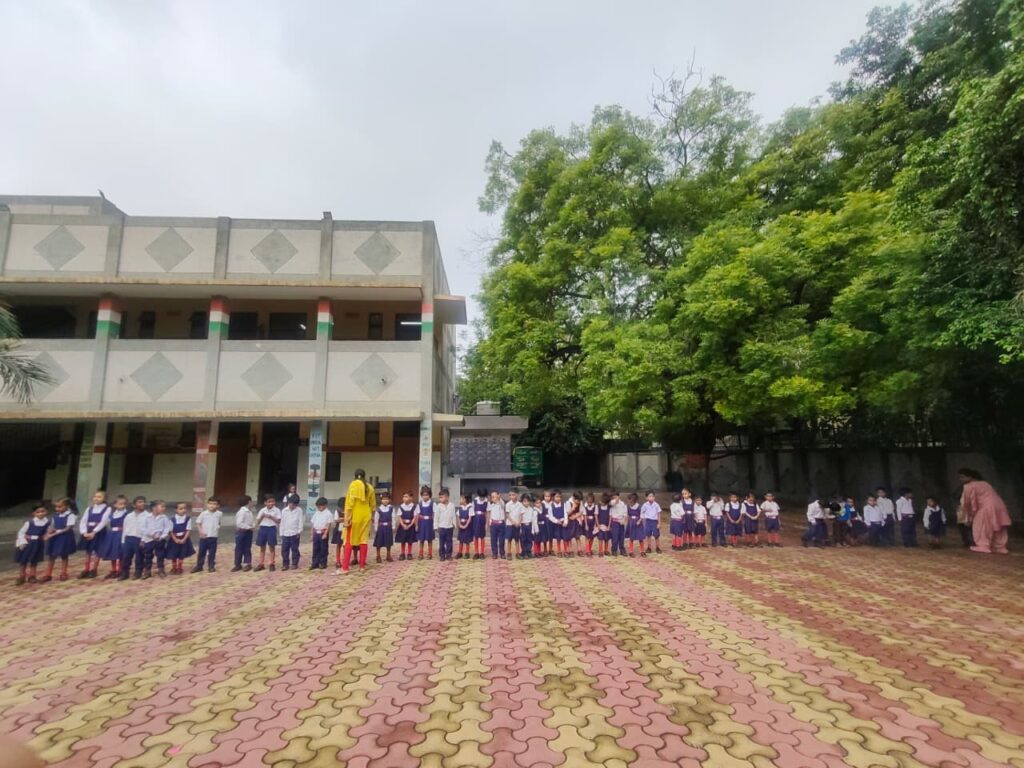
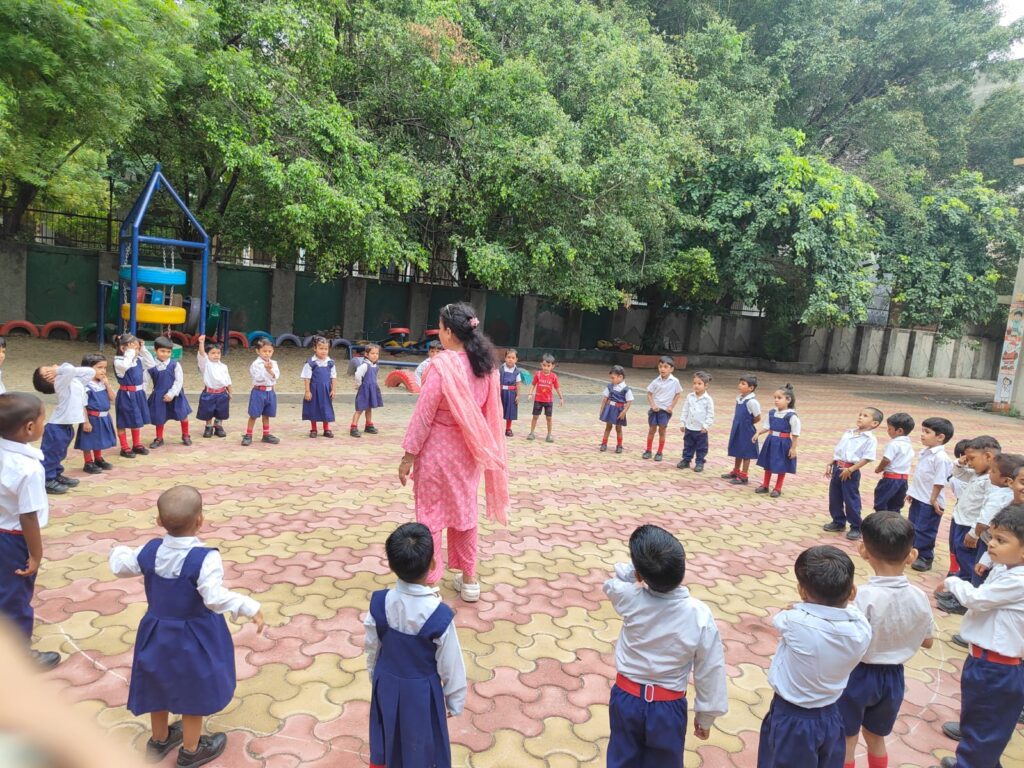
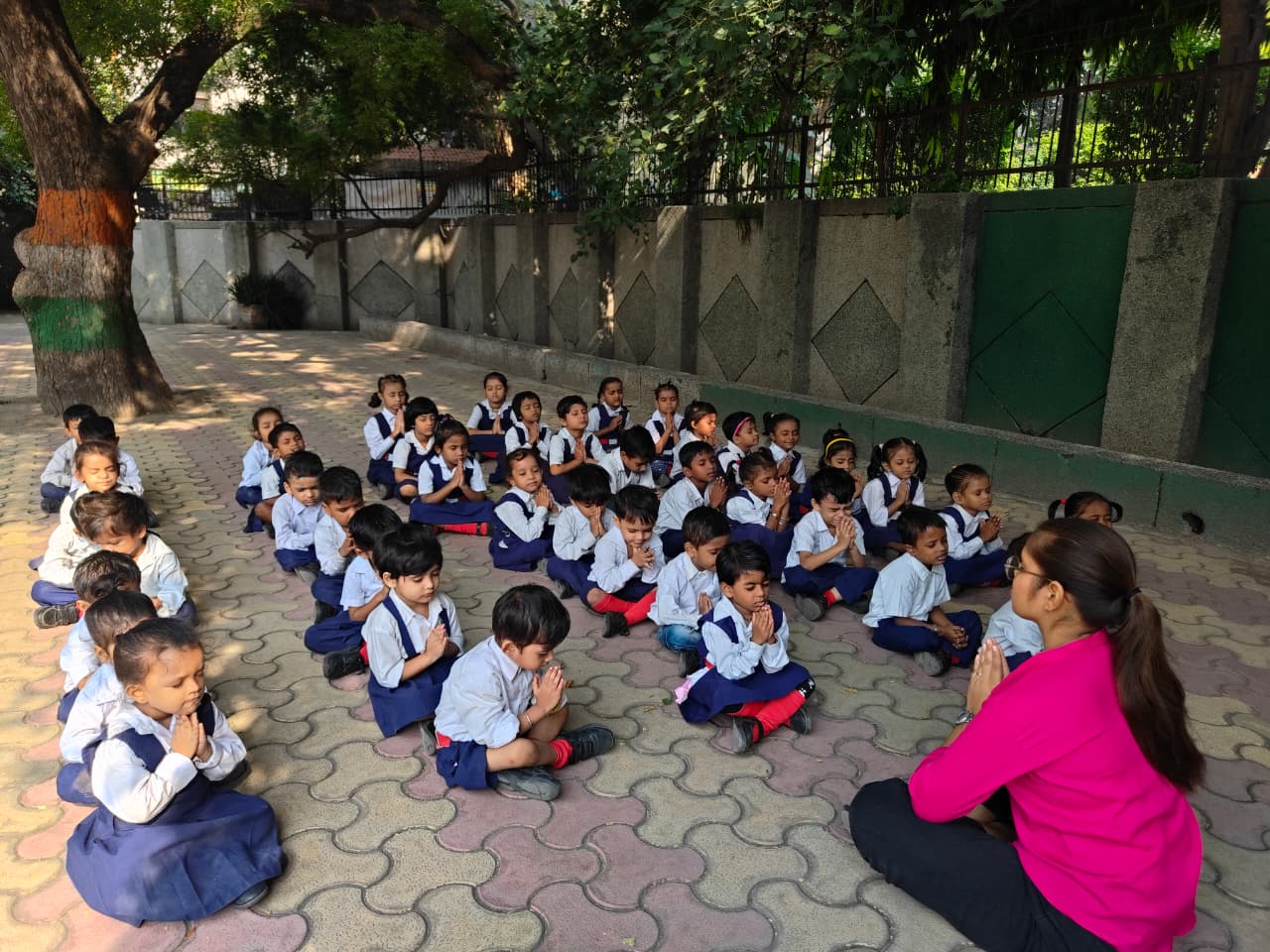
Morning Assembly & Physical Activity – Children begin the day with an assembly followed by planned physical activities that encourage movement, coordination and participation.
Language Learning – Children develop early communication and language skills through stories, conversations, activities and classroom interaction.
Learning Through Numbers – Age-appropriate activities help children develop early numeracy, counting and mathematical thinking skills.
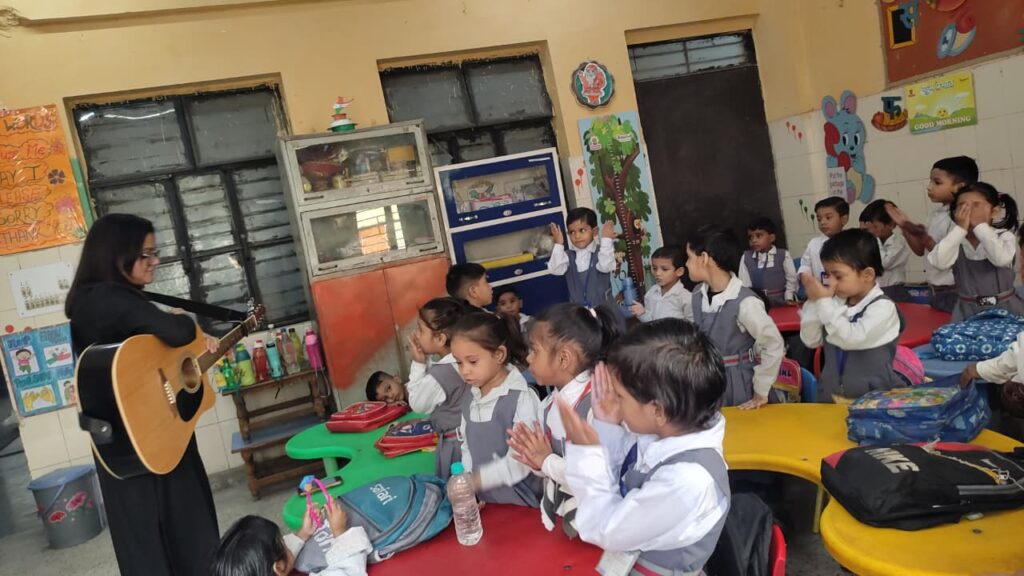
Circle Time – Circle time creates a space for children to communicate, listen, share experiences and develop social-emotional skills.
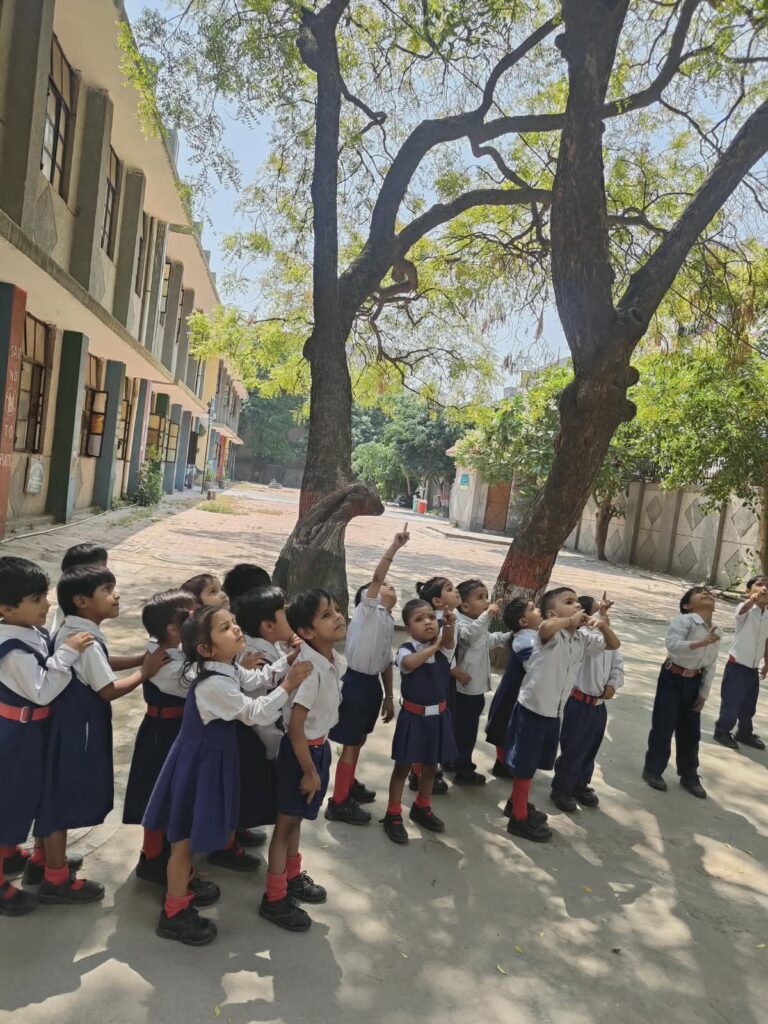
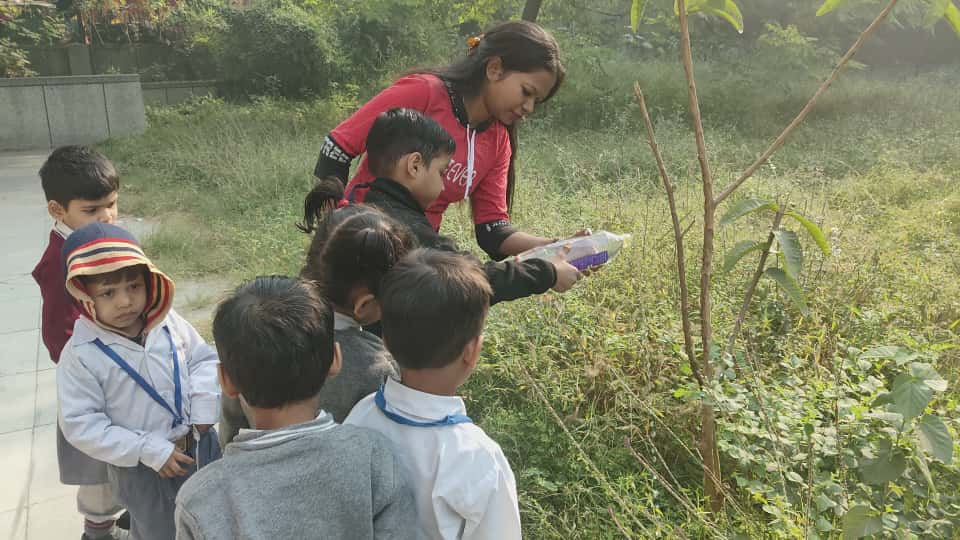
Environmental Studies (EVS) – Children explore the world around them and learn about their surroundings through observation, discussion and activities.
Mid-Day Meal – The school day also includes the provision of the mid-day meal, supporting children’s wellbeing and participation in school.
Investing in Teachers
Strong early learning depends on confident, capable and motivated teachers.
Children’s Hope has therefore placed significant emphasis on teacher training and ongoing mentoring. Teachers receive initial and follow-up training designed to strengthen their understanding of early childhood development and improve classroom practices.
The training equips teachers to:
- Support language and communication development
- Encourage social and emotional development
- Build early cognitive and numeracy skills
- Use play-based and child-centred teaching approaches
- Make effective use of teaching-learning materials
- Create engaging and inclusive classrooms
- Involve parents in their children’s learning journey
Bringing Digital Learning to the Classroom
Technology is increasingly becoming an important part of education. The National Education Policy (NEP) 2020 emphasises the importance of digital literacy and computational thinking across school education.
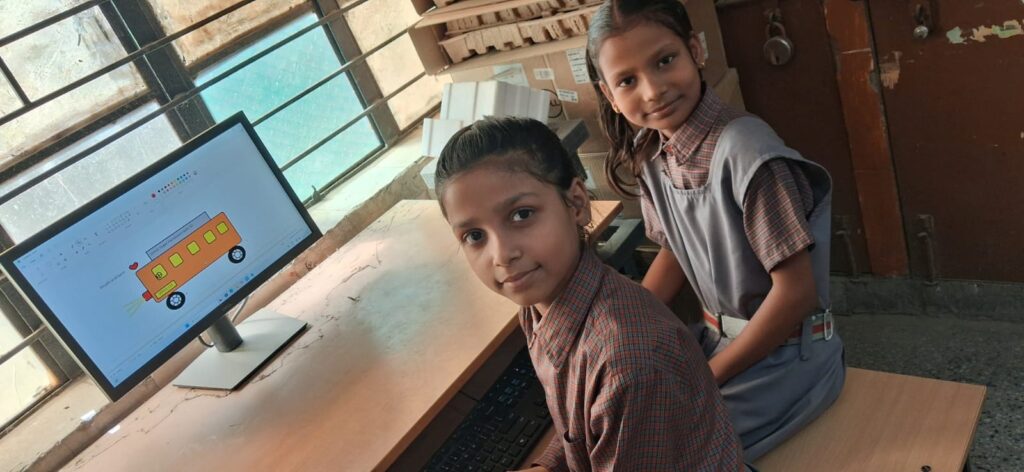
Recognising the need to provide children with early and meaningful exposure to technology, Children’s Hope has introduced digital literacy classes in the participating MCD schools.
Although the schools already had some computers, access to them was limited and opportunities for hands-on learning were minimal. To address this gap, Children’s Hope installed five additional computers at each school, enabling more students to gain practical experience with technology.
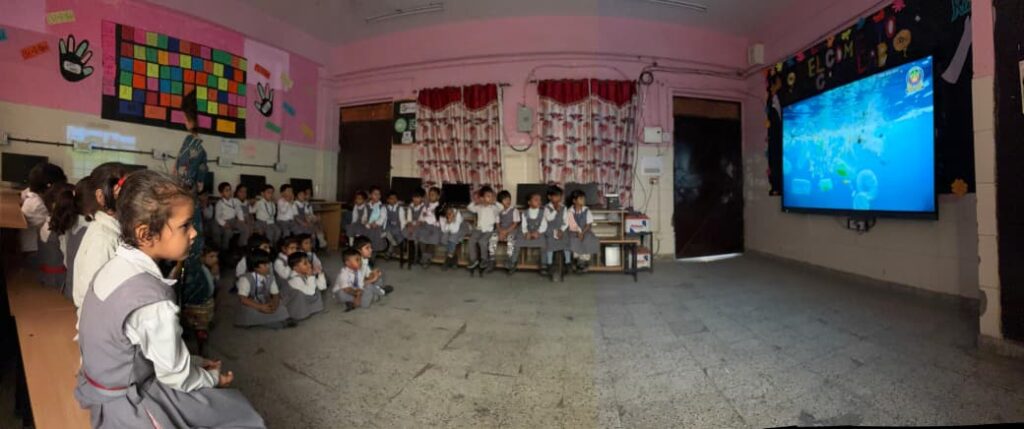
A Smart Board was also installed in the school to make learning easier, more interactive, and engaging for students. It helps teachers explain concepts using videos, pictures, presentations, and other digital resources. This modern technology makes lessons more interesting and helps students understand and remember topics more effectively. The installation of the Smart Board is an important step towards creating a better and more technology-friendly learning environment in the school.
Digital literacy classes help children
- Become familiar with computers and basic technology
- Develop foundational digital skills
- Learn through interactive audio-visual content
- Explore age-appropriate educational resources
- Build confidence in using technology
- Experience a more engaging and interactive approach to learning
For many children, these classes represent their first meaningful exposure to information technology.
Learning beyond the classroom
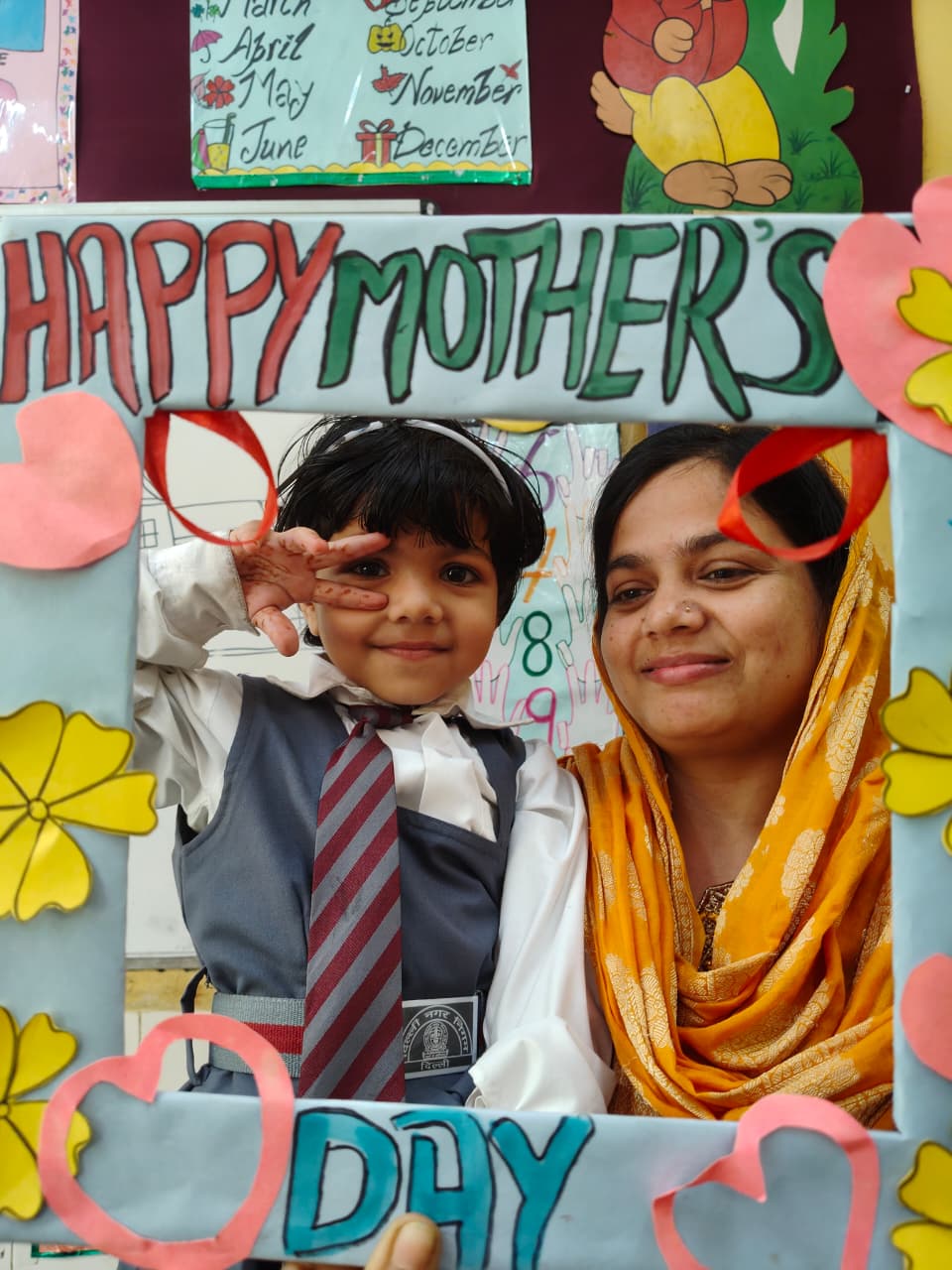
The program recognises that a child’s learning journey extends beyond the school environment. Parents are encouraged to participate through worksheets, simple activities and opportunities to support learning at home.
By connecting teachers, children and families, the program aims to create a supportive learning ecosystem where children’s development is encouraged both inside and outside the classroom.